

“Once you educate yourself, you are left with choices.”
Searching for answers, we’ve got you!

Snorkelling in Murky Water: Why Your Body Gets Stuck in Fight-or-Flight
Picture yourself snorkelling on a perfect South Coast morning. The water is crystal clear. You can see the sandy bottom, the kelp swaying, a school of fish drifting past. Your breathing slows. Your shoulders drop. You float.
Now picture the same spot after a big swell has stirred everything up. The water is murky and brown. You can barely see your own hand. Nothing has actually changed down there. There's no shark, no danger. But your body doesn't feel that way. Your breathing quickens, your muscles tighten, your eyes strain. You can't relax, because you can't see what's around you.
That's exactly what happens inside your body when your brain can't clearly read what's going on.
Your brain is always asking one question: am I safe?
Every second of every day, your brain is scanning for safety. It does this mostly below conscious awareness, gathering a constant stream of information from your body: the position of your joints, the tension in your muscles, your heart rate, your breathing, your gut.
When that information is clear, your brain can make an accurate call. All good. We can rest, digest, repair.
When that information is unclear or incomplete, your brain does what any good protector would. It assumes there might be a threat and gets ready for it. Just like in murky water.
Fight-or-flight vs rest-and-digest
Your nervous system has two main modes:
Fight-or-flight is your survival setting. Heart rate rises, breathing gets shallow, muscles brace, digestion and repair are put on hold. Brilliant for escaping danger, and never designed to be switched on all day.
Rest-and-digest is your healing and growth setting. Breathing slows, digestion works properly, sleep deepens, and the body can repair, restore and connect.
A healthy nervous system moves easily between the two. It rises to meet a challenge, then settles back down once it's passed. The problem comes when the body gets stuck in fight-or-flight, even when there's no real danger.
What is a subluxation?
In chiropractic, a subluxation describes an area where the communication between the brain and body isn't flowing as clearly as it should. Think of it as interference on the line: a disconnect between what's happening in the body and what the brain is able to perceive.
Subluxations can build up through the three T's of life: physical trauma (falls, injuries, long hours at a desk, even the birth process), chemical toxins, and emotional stress or thoughts.
When there's interference, the brain is getting a less clear picture of the body. It's swimming in murky water. And just like you in that murky ocean, it can't fully relax. It stays on guard, keeping the body tilted towards fight-or-flight.
Over time, this might show up as:
Feeling tense, wired or "on edge" without knowing why
Trouble switching off or getting deep, restful sleep
Digestion that isn't working as well as it could
Shallow breathing or tight shoulders and jaw
Feeling tired but unable to rest
How the chiropractic adjustment fits in
The goal of a chiropractic adjustment is to address subluxation and help restore clearer communication between the brain and body.
In our analogy, it's like letting the sediment settle and the water clear. When the brain can read the body more accurately, it has less reason to stay on high alert. That creates the conditions for the body to shift out of fight-or-flight and into rest-and-digest, where healing, digestion and recovery happen.
We're not "fixing" anything from the outside. We're aiming to remove interference so your body can do what it's already designed to do: adapt, regulate and heal from within.
Seeing it on the scan
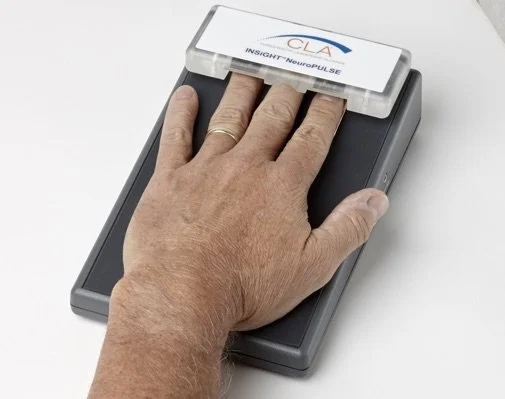
At Lume Chiropractic, we use the INSiGHT Scanner to look at how your nervous system is functioning. One of the measurements, heart rate variability (HRV), gives us a window into the balance between fight-or-flight and rest-and-digest. It helps us understand where your body is spending most of its time, and track how your nervous system adapts over the course of care.
The bottom line
Your body isn't broken when it's stuck in stress mode. It's protecting you, based on the information it has. When that information is murky, it plays it safe.
Clear the water, and your body can finally float.
If you've been feeling stuck in fight-or-flight, we'd love to help you find out what your nervous system is telling us. Book an assessment at our Batemans Bay or Moruya practice.
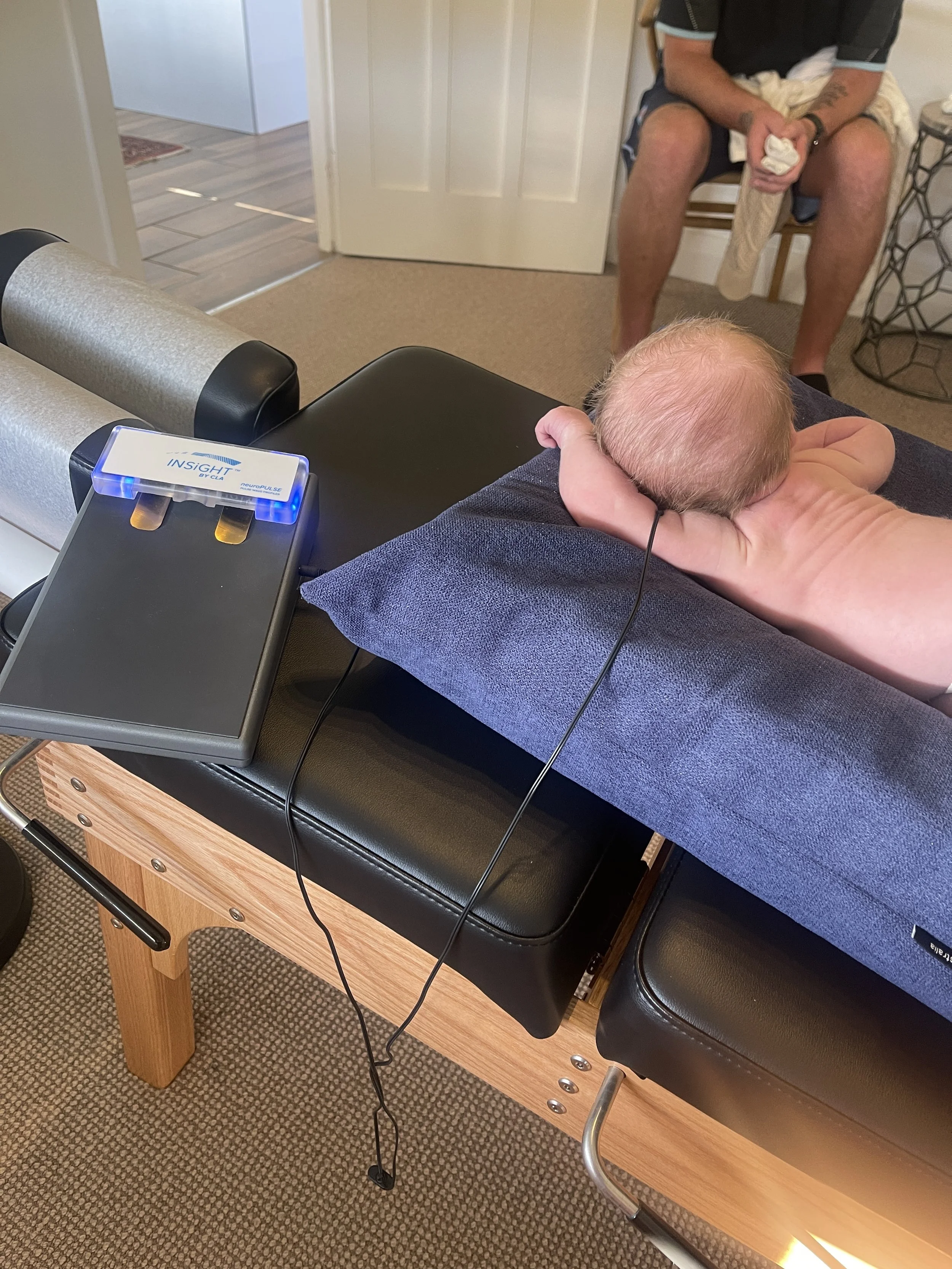
Your Baby Borrows Your Nervous System: Understanding Co-Regulation from Pregnancy to 25
Birth changes where your baby lives. It doesn't change how much they rely on you.
In those first months, your baby's nervous system is still so immature that it can't settle itself. It does something remarkable instead: it borrows yours. Your heartbeat, your breathing, your voice, the tension (or softness) in your arms. Your baby reads all of it, constantly, and adjusts to match.

Your Body Already Knows How: The Natural Wisdom of Milk Coming In
For many new mums, this moment arrives wrapped in worry. Will it happen? Is it enough? Am I doing it right? But here's what we want every mother to hear: this is one of the oldest, most reliable processes the human body knows. Your body has been preparing for it for months. It doesn't need to be forced or managed. In most cases, it simply needs to be supported, and left to unfold.

Why Does Your Body Overreact to Pollen? The Nervous System Behind Seasonal Allergies
Itchy eyes. A nose that won't stop running. That heavy, foggy feeling that shows up every spring right on cue. For a lot of practice members, seasonal allergies feel like something that just happens — bad luck, bad genetics, a bad pollen count on the news. But underneath the sneezing is a fascinating (and very logical) piece of biology, and the nervous system plays a bigger role in it than most people realise.
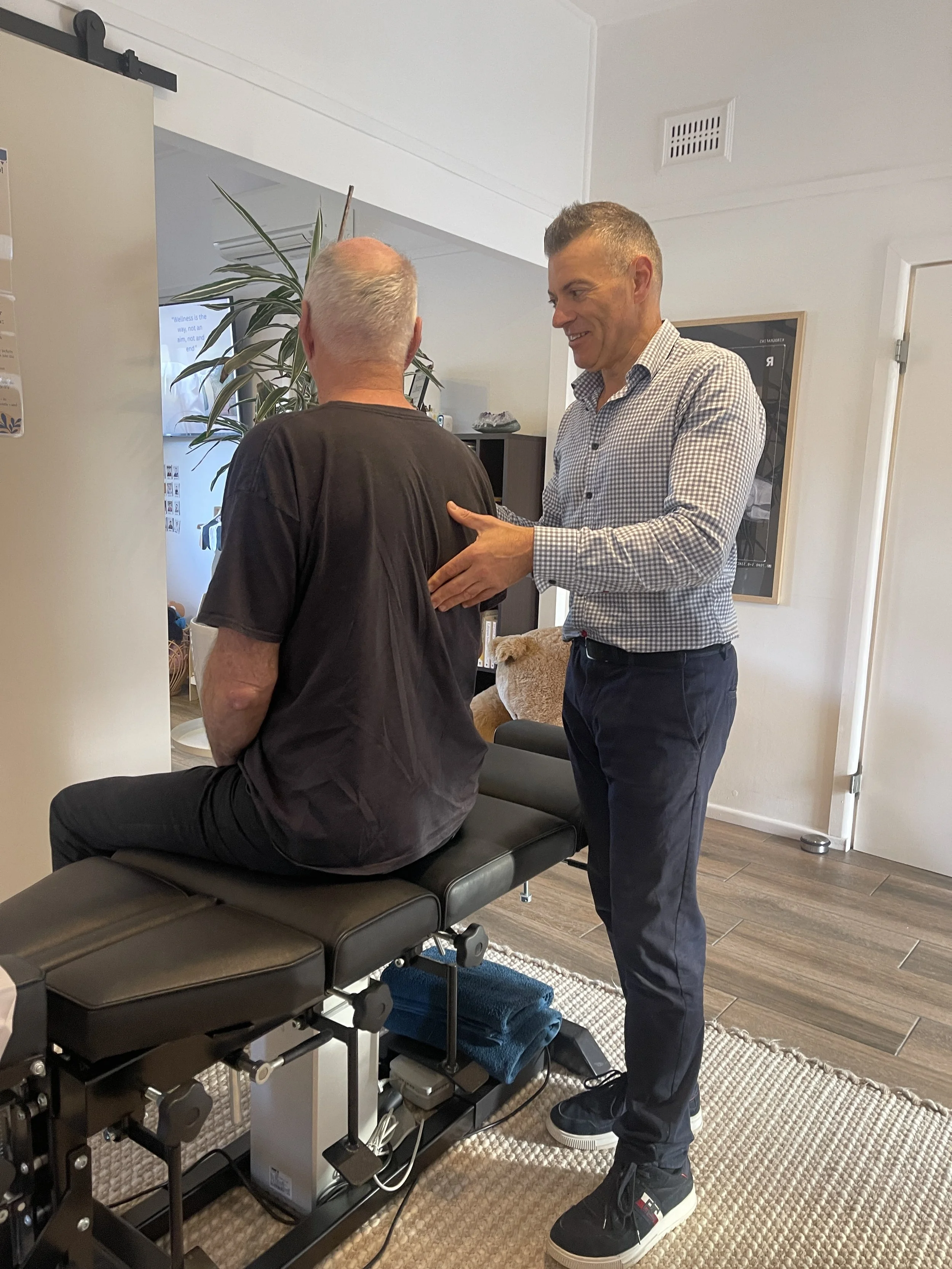
We Don't See Kids as Small Adults. We See Adults as Big Kids.
Ask most people when their back pain started, and they'll tell you about last month, or last year, or "since I hurt it at the gym." Ask most people what their birth was like, and they'll look at you a little strangely. What's that got to do with anything?
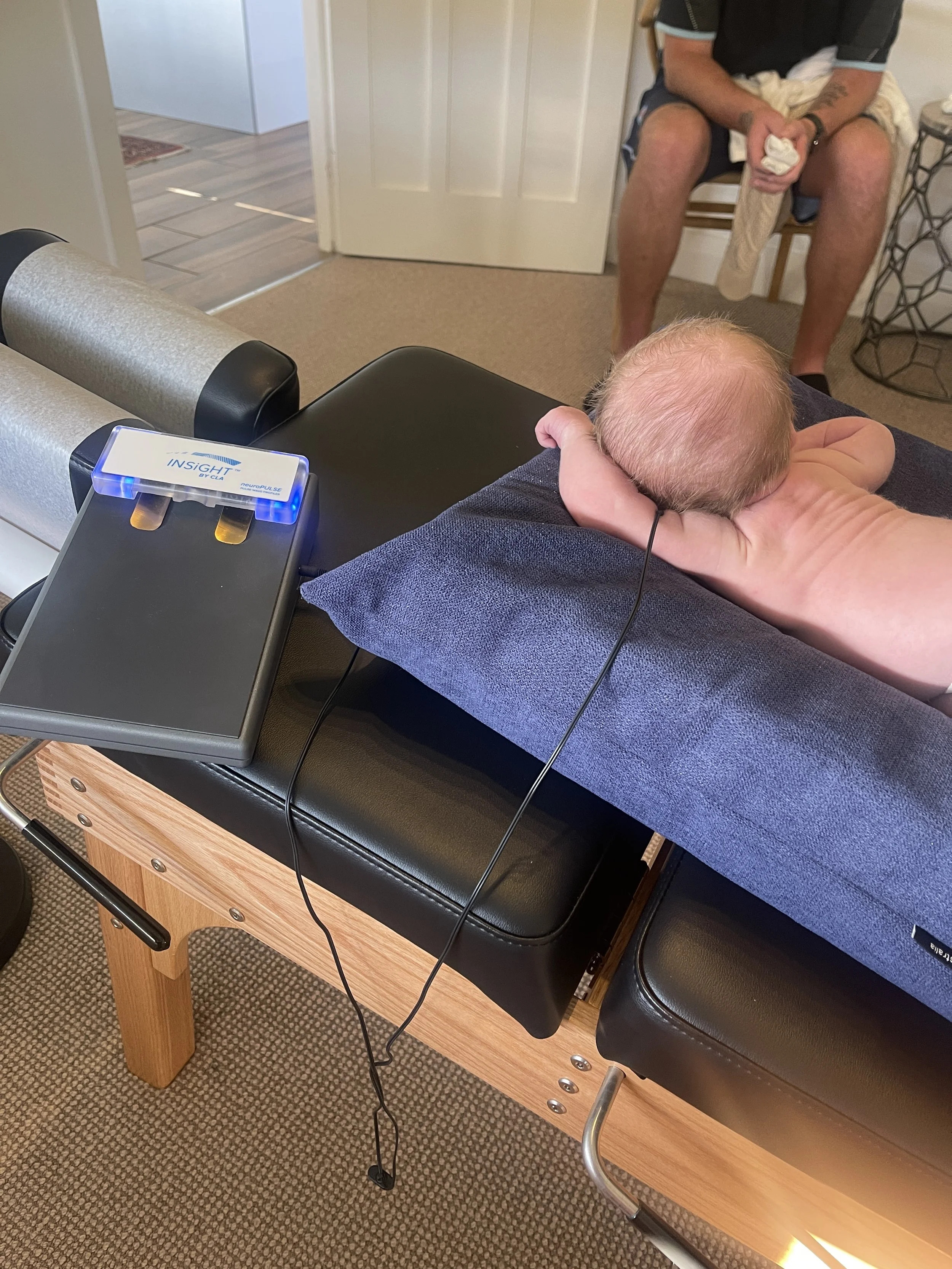
Why Your Baby Might Be Stuck in Fight-or-Flight.
A newborn's nervous system isn't a blank slate. By the time a baby arrives in the world, it has already been shaped by nine months of connection to their mother's physiology, and it's about to be shaped again — profoundly — by the process of being born. For some babies, that shaping happens smoothly. For others, a combination of prenatal, birth, and postnatal experiences can leave their nervous system stuck in a state of protection rather than one of calm, connected safety.
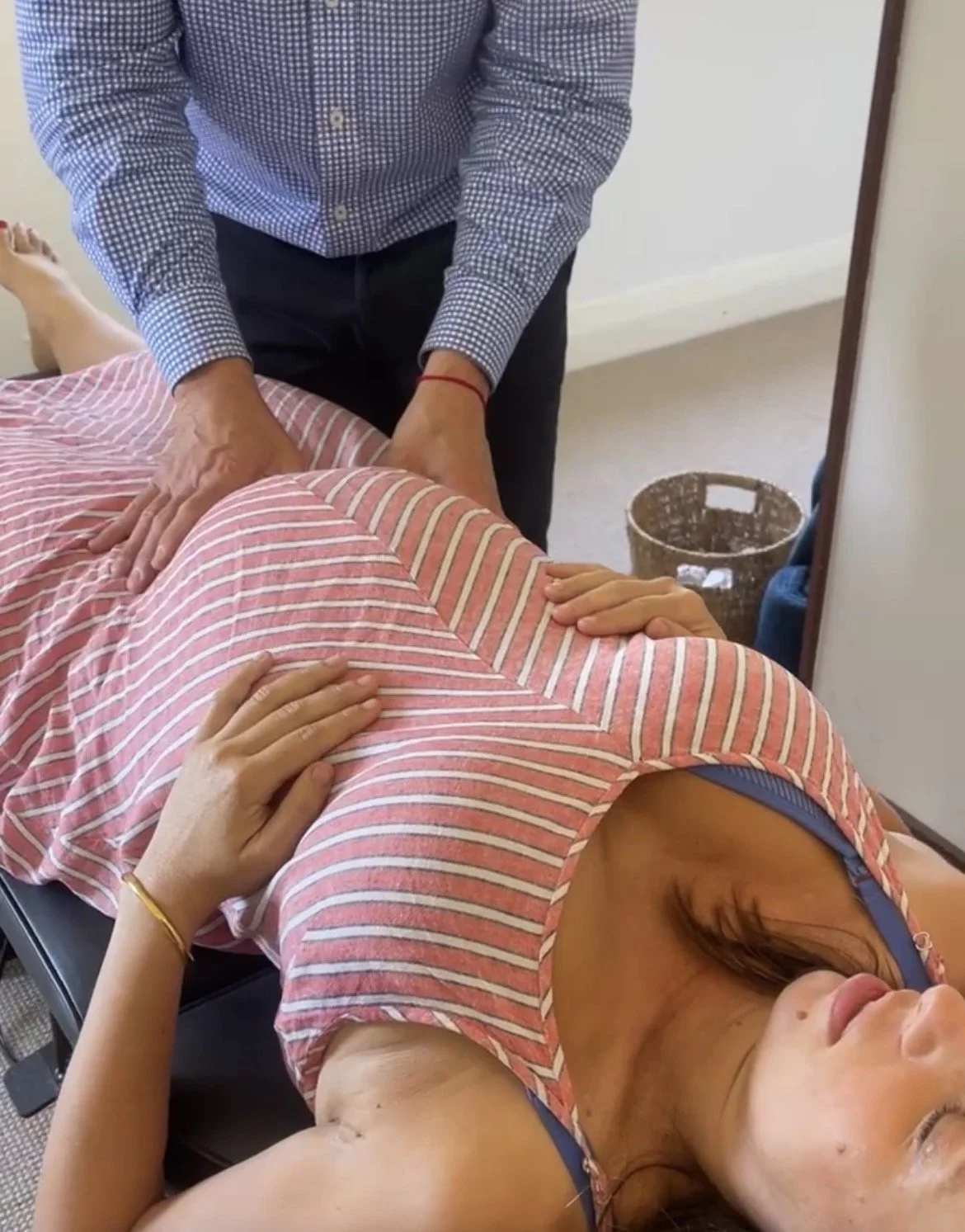
Why Prenatal Chiropractic Care Is About Timing, Not Just Technique.
Prenatal chiropractic care at Lume isn't a late-pregnancy intervention — it's something we'd love to support you with as early as possible. The goal is simple: support your pelvis, support your nervous system, and give your baby the most comfortable, spacious environment possible to grow into the position that's right for them.

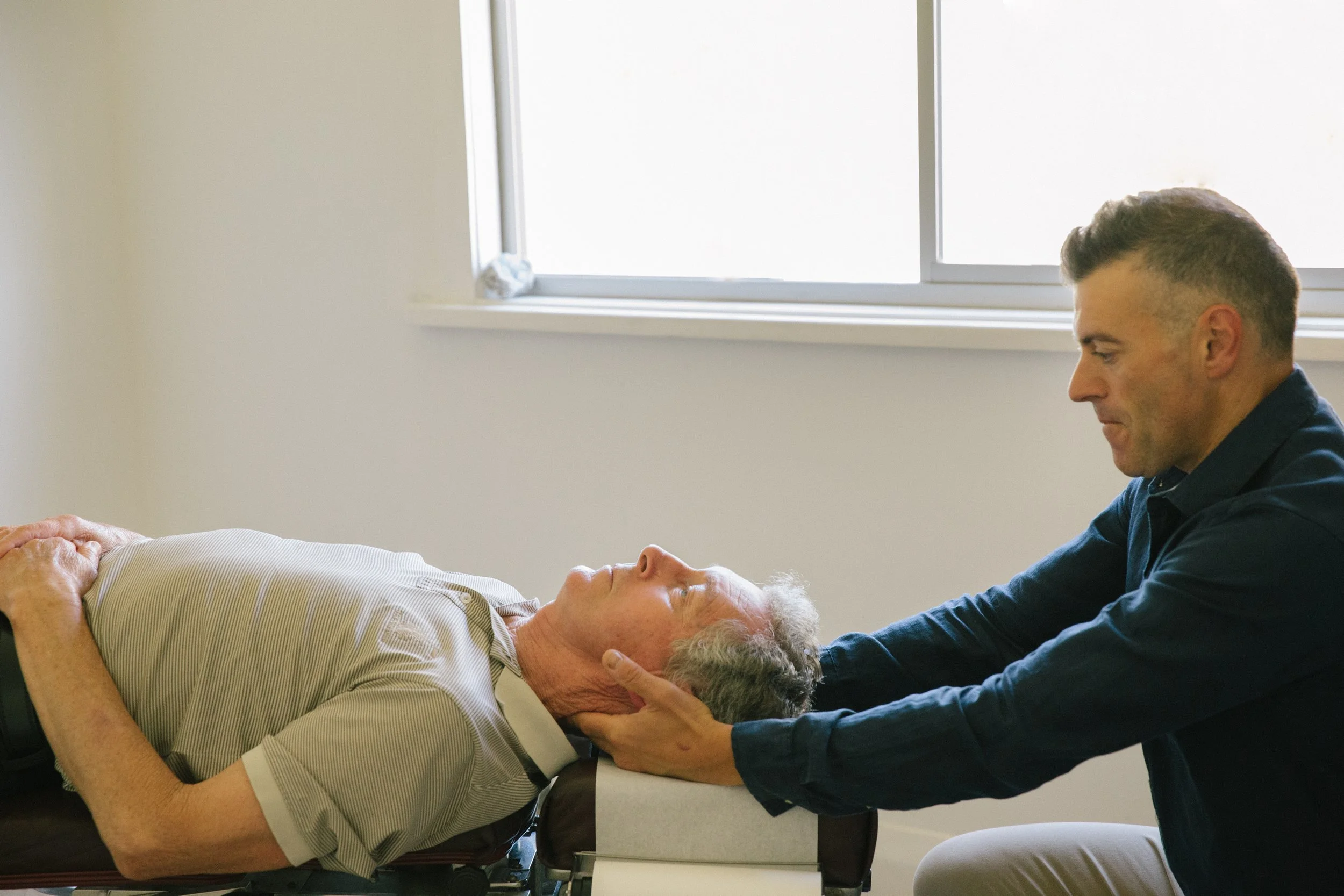
Why Tension Headaches Start in the Nervous System, Not the Head.
A tension headache is rarely just a head issue. It's frequently a downstream sign of a nervous system that's been stuck in a stress state for too long, without enough opportunity to release and recover.
When the Brain Can't Read the Body: Why Focus Starts With the Nervous System
Concentration isn't purely a mindset. It's a state your nervous system needs to be supported into. When brain-body communication is clear, the nervous system has a far better chance of settling into the calm, engaged state that focus actually requires.

The Hidden Conversation: How Your Nervous System Shapes Your Immunity
Here's a simple truth that changes the way you think about "getting sick": it's how well your immune system can recognise a pathogen that determines how quickly it responds. And the quicker the response, the less severe the illness.

The Brain-Ovary Connection: What the HPA and HPG Axis Reveal About Women's Hormones and Fertility.
The Brain-Ovary Connection: What the HPA and HPG Axis Reveal About Women's Hormones and Fertility
Most women are taught to think of their menstrual cycle as something that happens "down there" — a monthly event run entirely by the ovaries and uterus. But the truth is far more fascinating: your cycle is really a conversation that starts in your brain.

Understanding Sensory Challenges: Why the Nervous System Matters
Sensory Processing Disorder goes by a few different names — Sensory Integration Dysfunction, Neurosensory Dysfunction, and others. Whatever label is used (or not used at all), the underlying question for families is usually the same: why is my child struggling to process the world around them, and what can help?

Fight or Flight vs. Rest and Digest — What Your Body Is Really Doing (And Why It Matters)
Your Nervous System Has Two Modes Fight or Flight — Your Body's Survival System Chronic Sympathetic Activation — When the Accelerator Gets Stuck Rest and Digest —
Why the Balance Matters for Families.

An In-depth look at ADHD.
ADHD is the most common neurodevelopmental condition diagnosed in Australian children, affecting an estimated 6–10% of children and adolescents — or roughly one in every thirteen kids. That's more than two children in the average classroom. In adults, prevalence is estimated between 2–6% of the population, with many going undiagnosed well into adulthood.

Your nervous system has three settings — here's why that changes everything
In simple terms, polyvagal theory describes how your nervous system constantly scans your environment for safety or danger — and shifts between three distinct states in response. This process happens automatically, beneath your conscious awareness. Your body is always asking one question: Am I safe?

Everything you need to know about Seasonal Allergies.
Like many Australian families, they were dealing with what we commonly call seasonal allergies, or hay fever.
And in Australia, it’s far more common than most people realise.

POTS, Dysautonomia & the Nervous System: Could Your Body Be Stuck in Survival Mode?
Postural Orthostatic Tachycardia Syndrome (POTS) is a condition involving the autonomic nervous system—the part of the nervous system responsible for regulating automatic functions in the body.

Hyperemesis Gravidarum: Why It Happens — And Where Nervous System Support Fits In
For many women, nausea in pregnancy is expected. But for some, it becomes something far more intense — hyperemesis gravidarum (HG).
HG is not just “bad morning sickness.” It’s a complex, whole-body condition that can significantly impact a woman’s health, wellbeing, and ability to function during pregnancy.
Understanding why it happens is the first step toward better support — and this is where a nervous system-focused approach can play an important role.

Supporting Energy & Reducing Burnout in Parents.
If you’re a parent, you likely know the feeling—waking up tired, relying on coffee to get through the day, and still feeling completely drained by the evening.
For many parents, this kind of exhaustion becomes the norm. Even with a full night’s sleep, healthy food, and all the “right” habits, energy can still feel low and inconsistent.