

“Once you educate yourself, you are left with choices.”
Searching for answers, we’ve got you!
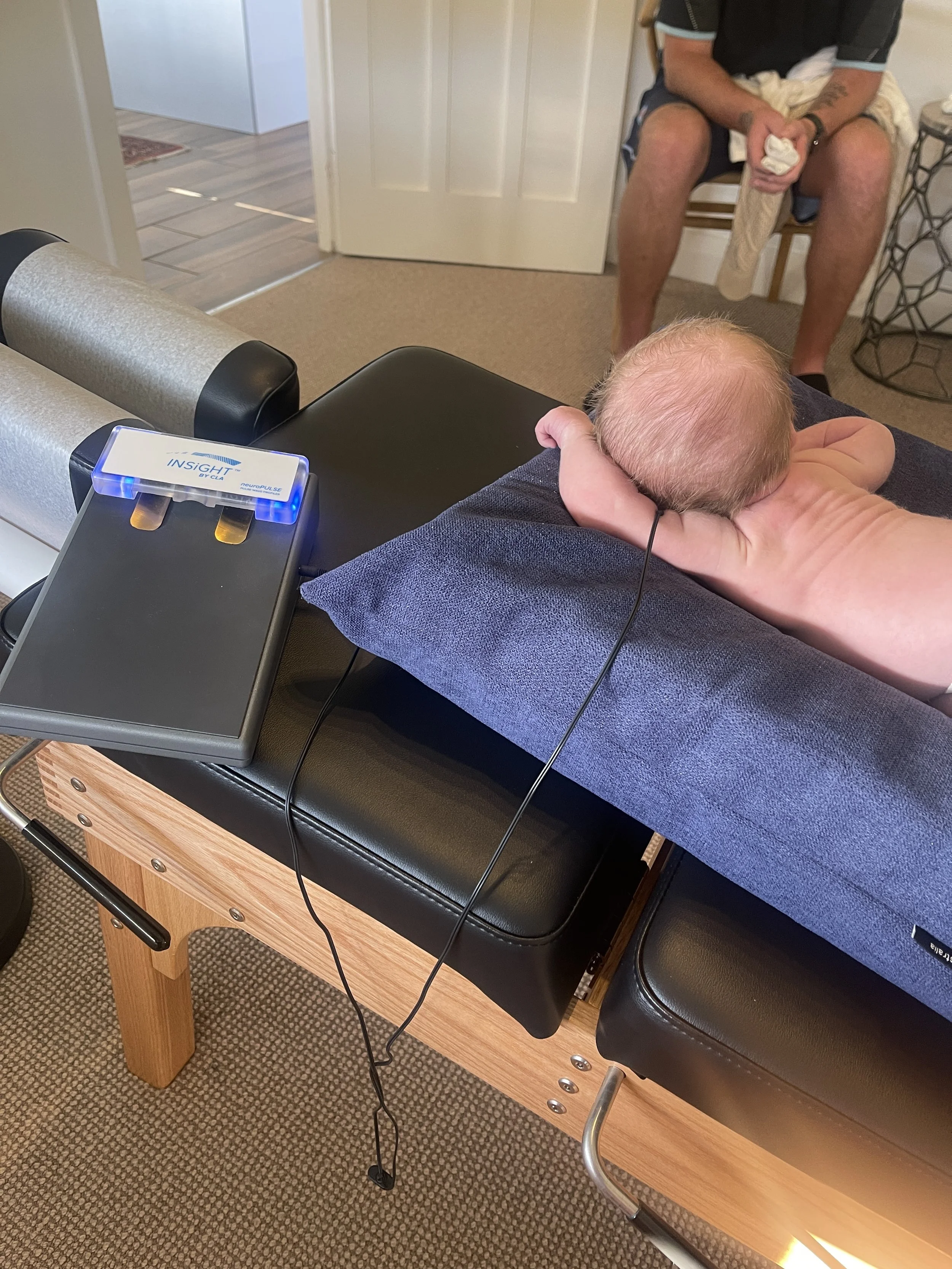
Your Baby Borrows Your Nervous System: Understanding Co-Regulation from Pregnancy to 25
Birth changes where your baby lives. It doesn't change how much they rely on you.
In those first months, your baby's nervous system is still so immature that it can't settle itself. It does something remarkable instead: it borrows yours. Your heartbeat, your breathing, your voice, the tension (or softness) in your arms. Your baby reads all of it, constantly, and adjusts to match.

Your Body Already Knows How: The Natural Wisdom of Milk Coming In
For many new mums, this moment arrives wrapped in worry. Will it happen? Is it enough? Am I doing it right? But here's what we want every mother to hear: this is one of the oldest, most reliable processes the human body knows. Your body has been preparing for it for months. It doesn't need to be forced or managed. In most cases, it simply needs to be supported, and left to unfold.

Why Does Your Body Overreact to Pollen? The Nervous System Behind Seasonal Allergies
Itchy eyes. A nose that won't stop running. That heavy, foggy feeling that shows up every spring right on cue. For a lot of practice members, seasonal allergies feel like something that just happens — bad luck, bad genetics, a bad pollen count on the news. But underneath the sneezing is a fascinating (and very logical) piece of biology, and the nervous system plays a bigger role in it than most people realise.
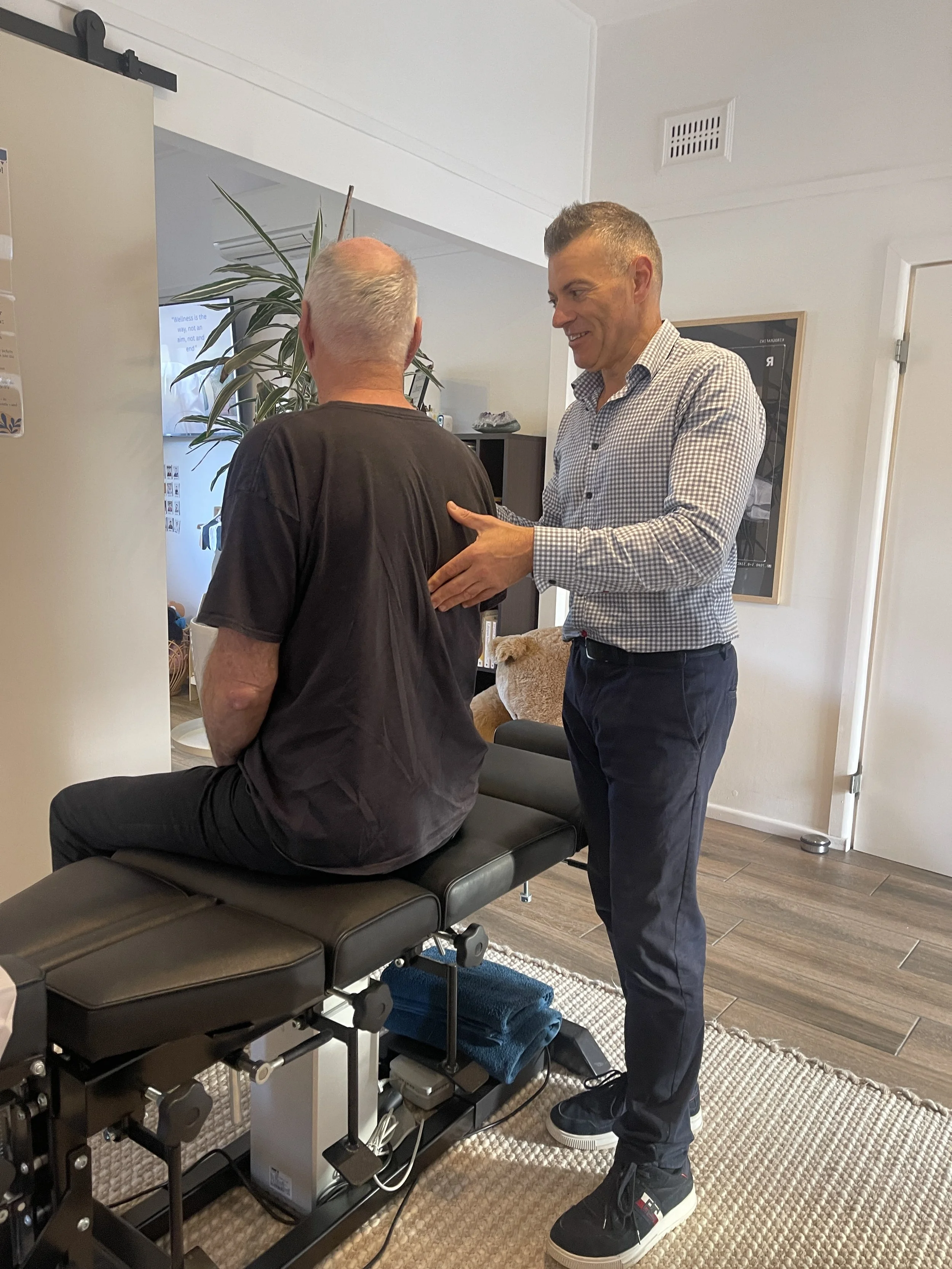
We Don't See Kids as Small Adults. We See Adults as Big Kids.
Ask most people when their back pain started, and they'll tell you about last month, or last year, or "since I hurt it at the gym." Ask most people what their birth was like, and they'll look at you a little strangely. What's that got to do with anything?

Why Prenatal Chiropractic Care Is About Timing, Not Just Technique.
Prenatal chiropractic care at Lume isn't a late-pregnancy intervention — it's something we'd love to support you with as early as possible. The goal is simple: support your pelvis, support your nervous system, and give your baby the most comfortable, spacious environment possible to grow into the position that's right for them.

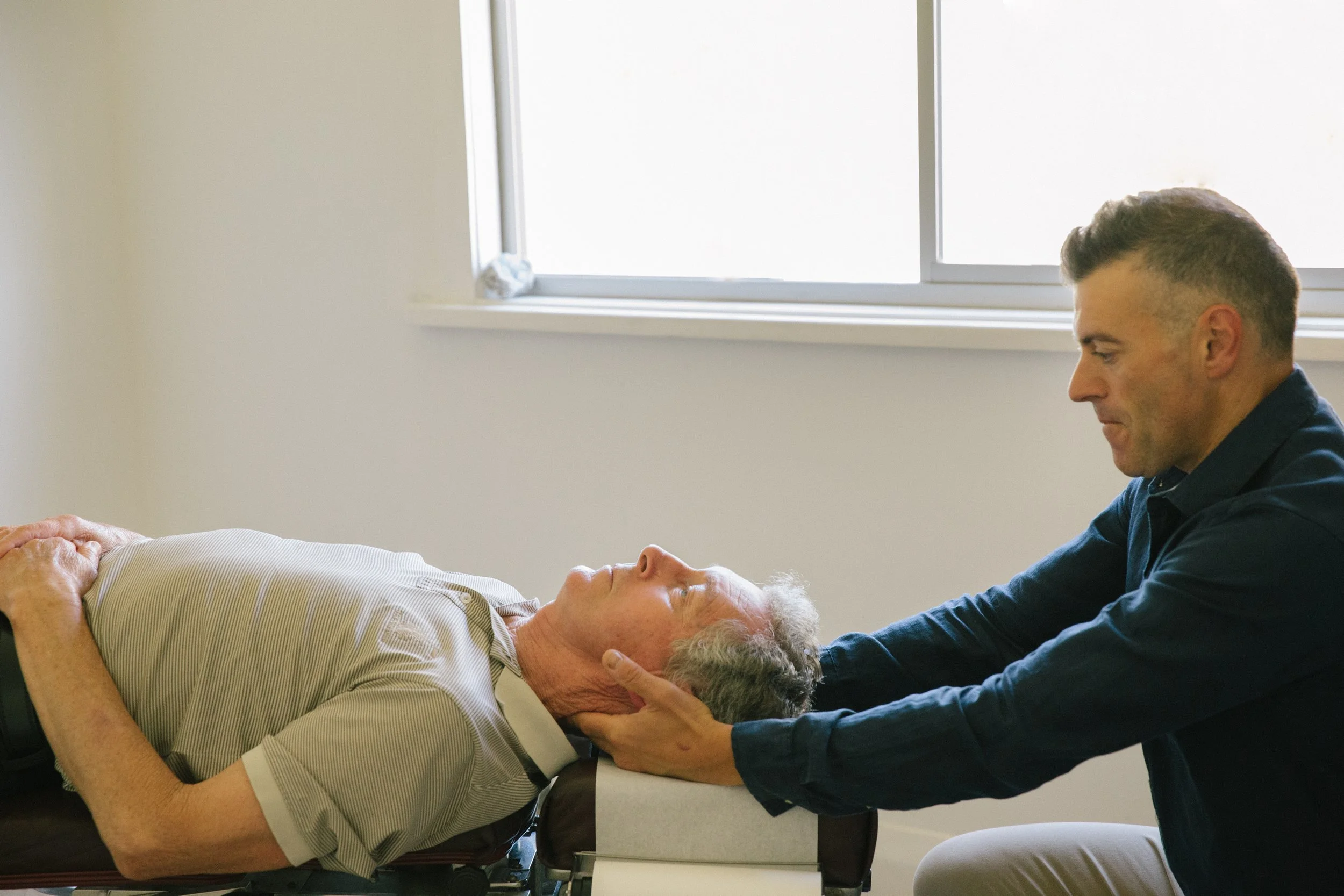
Why Tension Headaches Start in the Nervous System, Not the Head.
A tension headache is rarely just a head issue. It's frequently a downstream sign of a nervous system that's been stuck in a stress state for too long, without enough opportunity to release and recover.

When the Brain Can't Read the Body: Why Focus Starts With the Nervous System
Concentration isn't purely a mindset. It's a state your nervous system needs to be supported into. When brain-body communication is clear, the nervous system has a far better chance of settling into the calm, engaged state that focus actually requires.

The Brain-Ovary Connection: What the HPA and HPG Axis Reveal About Women's Hormones and Fertility.
The Brain-Ovary Connection: What the HPA and HPG Axis Reveal About Women's Hormones and Fertility
Most women are taught to think of their menstrual cycle as something that happens "down there" — a monthly event run entirely by the ovaries and uterus. But the truth is far more fascinating: your cycle is really a conversation that starts in your brain.

Understanding Sensory Challenges: Why the Nervous System Matters
Sensory Processing Disorder goes by a few different names — Sensory Integration Dysfunction, Neurosensory Dysfunction, and others. Whatever label is used (or not used at all), the underlying question for families is usually the same: why is my child struggling to process the world around them, and what can help?

Fight or Flight vs. Rest and Digest — What Your Body Is Really Doing (And Why It Matters)
Your Nervous System Has Two Modes Fight or Flight — Your Body's Survival System Chronic Sympathetic Activation — When the Accelerator Gets Stuck Rest and Digest —
Why the Balance Matters for Families.

An In-depth look at ADHD.
ADHD is the most common neurodevelopmental condition diagnosed in Australian children, affecting an estimated 6–10% of children and adolescents — or roughly one in every thirteen kids. That's more than two children in the average classroom. In adults, prevalence is estimated between 2–6% of the population, with many going undiagnosed well into adulthood.

Your nervous system has three settings — here's why that changes everything
In simple terms, polyvagal theory describes how your nervous system constantly scans your environment for safety or danger — and shifts between three distinct states in response. This process happens automatically, beneath your conscious awareness. Your body is always asking one question: Am I safe?

Everything you need to know about Seasonal Allergies.
Like many Australian families, they were dealing with what we commonly call seasonal allergies, or hay fever.
And in Australia, it’s far more common than most people realise.

POTS, Dysautonomia & the Nervous System: Could Your Body Be Stuck in Survival Mode?
Postural Orthostatic Tachycardia Syndrome (POTS) is a condition involving the autonomic nervous system—the part of the nervous system responsible for regulating automatic functions in the body.

Supporting Energy & Reducing Burnout in Parents.
If you’re a parent, you likely know the feeling—waking up tired, relying on coffee to get through the day, and still feeling completely drained by the evening.
For many parents, this kind of exhaustion becomes the norm. Even with a full night’s sleep, healthy food, and all the “right” habits, energy can still feel low and inconsistent.

Supporting Sensory Challenges in Kids
At Lume Chiropractic, we often meet families navigating the ups and downs of sensory challenges with their children. For some, it looks like big reactions to loud noises or clothing textures. For others, it’s difficulty sitting still, focusing, or feeling settled in their body.

Natural Approaches to Supporting Ear Health in Children
Frequent ear infections can be challenging for families. Many parents are looking for ways to support their children’s ear health naturally, alongside conventional medical care. There are approaches that focus on supporting the body’s natural function, particularly the nervous system, which plays a role in regulating drainage, inflammation, and immune responses.

Constipation and the link to The Nervous System
Is Your Child’s Constipation Really a Gut Problem… or a Nervous System One?

Understanding Ear Infections in Children
One reason ear infections are more common in children relates to the anatomy of the Eustachian tubes. These small passageways connect the middle ear to the back of the throat and help regulate pressure and drain fluid from the ear.